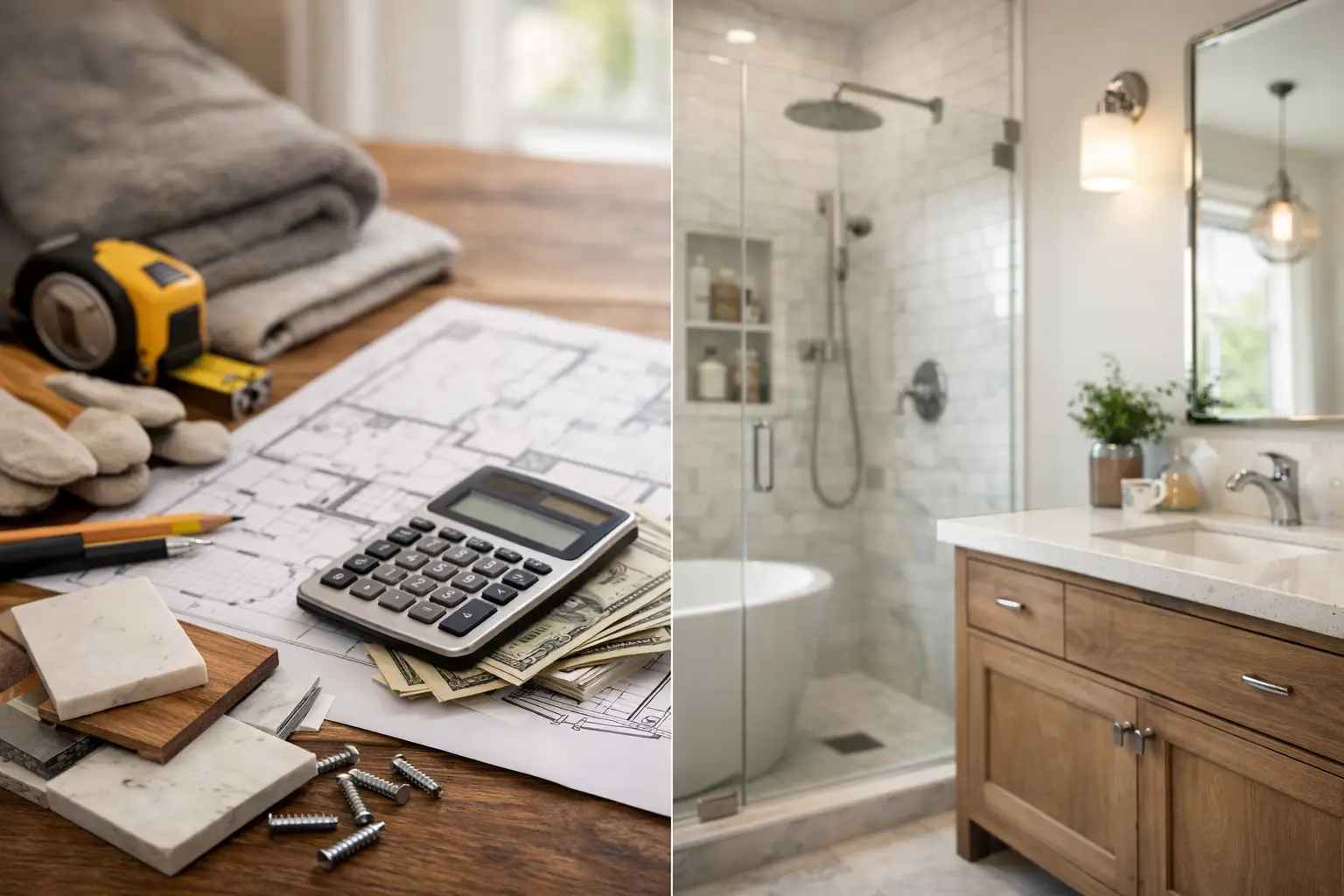
A bathroom can look like a contained project until the walls are open. Behind a new vanity, tile, and fixtures may be aging plumbing, inadequate ventilation, subfloor damage, or electrical work that needs attention. That is why learning how to budget a bathroom remodel starts with more than choosing a target number. It starts with defining the work clearly enough to make sound decisions before construction begins.
For North Dallas homeowners, a well-planned bathroom budget protects both the finished space and the remodeling experience. The goal is not to chase the lowest estimate. It is to invest in the right scope, durable materials, and a process that keeps expectations clear from the first conversation through final completion.
How to Budget a Bathroom Remodel From the Ground Up
Begin by deciding what problem the remodel needs to solve. A guest bathroom that needs a cosmetic update has different requirements than a primary bathroom with poor storage, dated plumbing, limited lighting, and an inefficient layout. The budget should reflect the results you expect from the room, not simply the appearance of the finishes.
Write down what must change, what would be nice to change, and what can remain. For example, keeping the existing layout can reduce plumbing and electrical changes. Moving a shower, toilet, or vanity may improve function, but it also adds labor, permitting considerations, and coordination behind the walls.
A clear scope should address the room as a complete system: demolition, plumbing, electrical, ventilation, drywall, waterproofing, tile, cabinetry, countertops, fixtures, paint, trim, and final installation. If an estimate only accounts for visible finishes, it may not represent the full cost of a dependable renovation.
Decide whether the layout stays or changes
Layout is one of the largest budget decisions in a bathroom remodel. Retaining existing fixture locations can often control costs because supply lines, drains, and electrical connections need fewer modifications. That can be a smart choice when the room functions well and the goal is to improve finishes, storage, and comfort.
A layout change can still be worthwhile when it solves a daily frustration. Replacing a small tub with a more usable shower, expanding vanity storage, or improving clearance around fixtures can make a bathroom feel substantially better. The key is to account for the full impact of that decision early, rather than treating it as a late adjustment after pricing is underway.
Build Your Budget Around the Major Cost Categories
Bathroom remodeling costs vary widely based on room size, material selection, scope, and the condition of the home. Rather than relying on a single broad price range, organize your budget into categories that show where the investment is going.
Labor and project management are central categories. A quality remodel requires coordinated demolition, rough plumbing and electrical work, waterproofing, tile installation, carpentry, painting, fixture installation, and cleanup. Professional management also helps keep the job organized, protects the home during construction, and creates accountability around schedule and communication.
Materials are another significant category, and they include more than the products visible in photos. Tile, cabinetry, countertops, faucets, lighting, mirrors, hardware, shower glass, and accessories affect the final look. Waterproofing materials, backer board, valves, drains, grout, caulk, and fasteners also matter. These less visible components support durability and should not be treated as an afterthought.
Your budget should also account for permits or inspections when required, waste removal, delivery charges, and temporary protection for nearby floors and living areas. A polished proposal will identify these items so the project total is easier to understand.
Set Realistic Allowances for Selections
An allowance is a planned amount for a product that has not been selected at the time of estimating. Allowances are common for tile, fixtures, lighting, cabinetry, countertops, or shower glass. They can be helpful, but only when they reflect the quality level you actually intend to purchase.
Low allowances can make an initial estimate look attractive while creating unwelcome increases later. Before comparing proposals, ask what each allowance covers and whether it includes tax, delivery, fabrication, installation, and related accessories. A faucet allowance, for instance, may not include a compatible valve or specialty trim.
It is wise to make major selections early whenever possible. Choosing tile size and pattern affects labor. Selecting a floating vanity may change wall support requirements. A large-format porcelain tile may create a clean, modern look, but it can require more careful wall preparation and cutting. There is nothing wrong with choosing premium finishes, but the budget should acknowledge their full installation requirements.
Spend where durability and daily use matter
Some bathroom choices deserve priority because they affect performance every day. Waterproofing, proper shower construction, ventilation, quality plumbing components, and reliable installation should not be reduced to make room for a trend-driven finish. Repairs behind tile are disruptive and expensive, particularly when a lower-cost shortcut fails after the project is complete.
If you need to balance the budget, consider simplifying areas that are easier to update later. Decorative lighting, mirrors, hardware, and certain accessories can often be changed with less disruption than a shower system or tile installation. This approach preserves the quality of the work that is hardest to access once the room is finished.
Include a Contingency Before Work Begins
Even a carefully planned bathroom can reveal conditions that were not visible during an initial walkthrough. Water damage, corroded pipes, outdated wiring, framing issues, or uneven surfaces can become apparent after demolition. Older homes and bathrooms that have experienced previous leaks may carry a higher likelihood of these discoveries.
Set aside a contingency fund separate from the planned construction total. The right amount depends on the age and condition of the home, the extent of layout changes, and how much of the room will be opened. A contractor should communicate promptly when an unforeseen issue appears, explain the options, and document the cost impact before moving forward.
A contingency is not permission for vague pricing. It is a practical safeguard for conditions that cannot be verified until the work begins. Clear communication around this reserve helps prevent the stress that comes from treating every discovery as a surprise.
Compare Estimates by Scope, Not Just Price
The lowest number is not always the lowest cost. When comparing bathroom remodeling estimates, look for differences in what is included, how materials are specified, and who is responsible for coordinating the work. One proposal may include demolition, waterproofing, permits, fixture installation, and final cleanup, while another may leave several of those items unclear.
Ask direct questions about exclusions, allowances, payment schedules, estimated project duration, jobsite protection, and change-order procedures. You should also understand how the contractor handles communication when selections are delayed or site conditions change. These details have a real effect on the experience of living through a renovation.
For homeowners who value a clean, orderly process, the contractor’s systems matter as much as the initial estimate. Organized scheduling, proactive updates, and respect for the home reduce friction during a project that can otherwise disrupt daily routines.
Plan for Timing and Temporary Use
Budgeting should include the practical realities of construction. If the bathroom is the household’s only full bath, you may need a temporary plan for bathing and morning routines. A remodel involving custom cabinetry, specialty tile, or shower glass can also have lead times that affect the schedule.
Avoid ordering major materials without confirming measurements, specifications, and installation sequencing. A product that arrives late, does not fit, or requires a different rough-in can create unnecessary delays and added cost. Careful planning before demolition helps keep selections, deliveries, and labor aligned.
A bathroom remodel is a long-term improvement, not just a short-term expense. When the scope is clear, selections are realistic, and contingency planning is built into the numbers, homeowners can make decisions with confidence. The best budget leaves room for craftsmanship, communication, and the durable details that make the finished space work well for years to come.