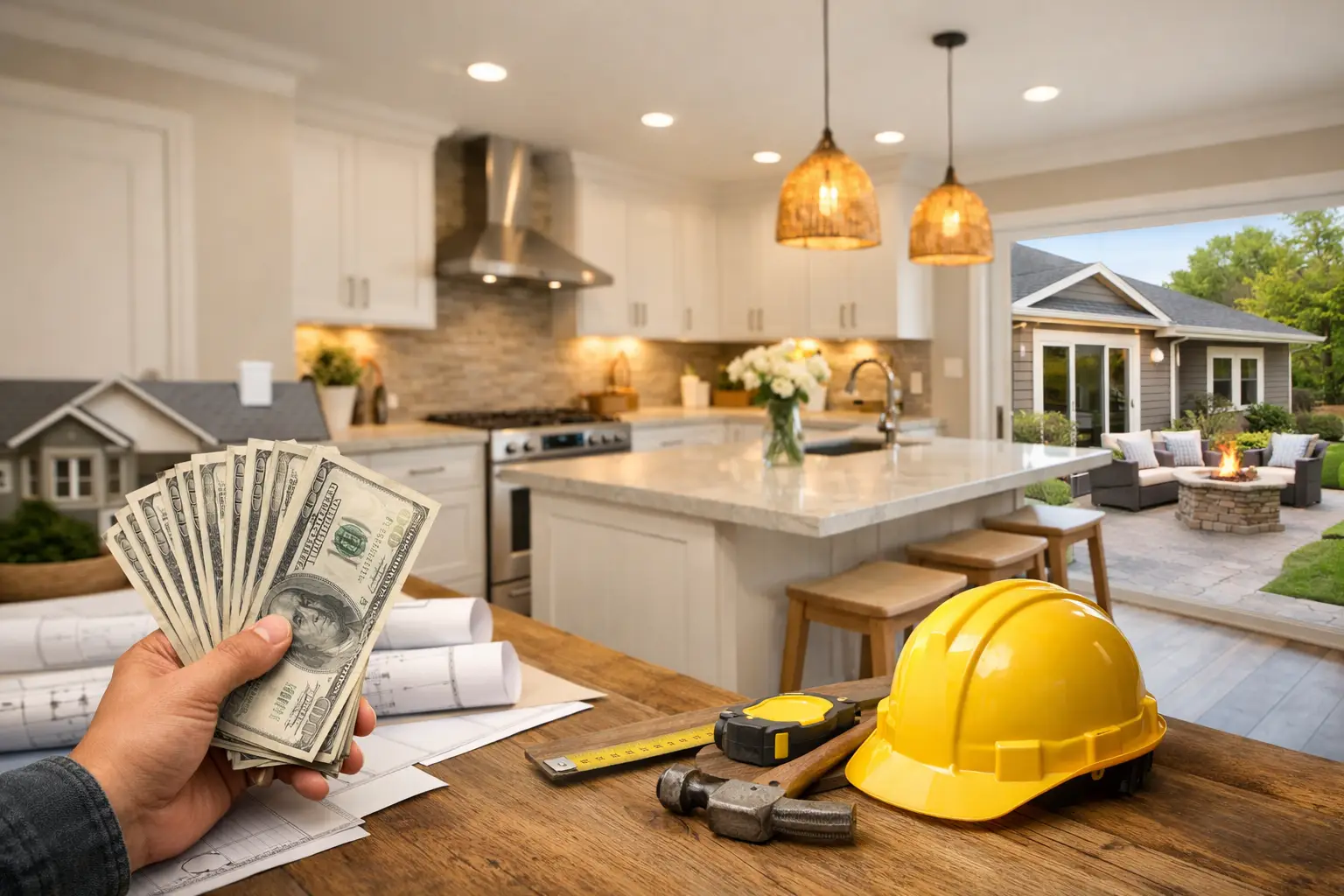
A beautiful remodel is not always a valuable one. Homeowners in North Dallas often start with a clear goal – create a better home now while making choices that support resale later. That is where increase home value remodeling becomes more strategic than cosmetic. The best projects improve daily use, hold up over time, and make the home more appealing to future buyers without overbuilding for the neighborhood.
The key is knowing where value really comes from. It is rarely about chasing trends or picking the most expensive finish in the showroom. Real value comes from function, condition, consistency, and quality execution. When a remodel solves problems that buyers notice and owners live with every day, it has a much better chance of paying off.
What increase home value remodeling actually means
A remodel that adds value does two jobs at once. It makes the home more comfortable and attractive today, and it strengthens the property’s position in the market later. That sounds simple, but it requires discipline during planning. Not every upgrade produces the same return, and not every house needs the same level of work.
For one home, value may come from opening a cramped kitchen and improving storage. For another, it may come from replacing a dated primary bath with a cleaner, more functional layout. In older homes, whole-home improvements such as flooring continuity, updated lighting, refreshed trim, and better space flow can have a stronger effect than a single high-end room.
This is why remodeling should start with priorities, not products. Before selecting tile or cabinet colors, it helps to ask a few basic questions. What feels outdated? What feels inconvenient? What would a buyer notice in the first five minutes? What improvements will still look appropriate five to ten years from now?
The rooms that usually deliver the strongest return
Kitchens and bathrooms remain the most reliable places to invest because they influence both daily life and buyer perception. These spaces carry more weight than secondary rooms because they combine visual impact with practical use.
Kitchens that improve value without overdoing it
A kitchen remodel can add meaningful value when it improves layout, storage, lighting, and finish quality. Buyers pay attention to whether the kitchen feels easy to use, easy to maintain, and visually consistent with the rest of the home. Well-built cabinetry, durable countertops, quality hardware, and a sensible appliance plan matter more than luxury for luxury’s sake.
The strongest kitchen projects usually solve existing problems. That may mean expanding prep space, adding deep drawers, improving traffic flow around an island, or replacing worn materials that make the room feel tired. In many cases, a polished mid-to-upper-range kitchen earns more practical value than an ultra-custom kitchen that pushes far beyond neighborhood expectations.
Bathrooms that feel clean, current, and durable
Bathrooms have a similar impact. A dated bath with old tile, poor lighting, limited storage, or signs of wear can pull down the perception of the entire house. A remodeled bathroom does not need to be oversized or flashy to help resale. It needs to feel clean, functional, and thoughtfully finished.
Walk-in showers, better lighting, updated vanities, improved ventilation, and durable surfaces are often worthwhile choices. Buyers notice details here. Sloppy tile lines, weak caulking, poor drainage, and cheap fixtures can make a new bathroom feel disappointing fast. Good craftsmanship matters because bathrooms get used hard, and wear shows quickly.
Whole-home consistency matters more than many owners expect
One standout room cannot always carry a house with mismatched finishes, worn flooring, dated paint colors, or visible maintenance issues. That is why increase home value remodeling often works best as a coordinated plan rather than a series of disconnected projects.
If the kitchen is beautifully updated but the rest of the main floor feels uneven, the return may be limited. Buyers and appraisers respond well to homes that feel cohesive. Consistent flooring, clean trim work, updated doors, improved lighting, and a unified paint palette can make the entire property feel more finished and more valuable.
This is especially relevant in established North Dallas homes, where strong structure and location often create real opportunity. The right remodel can preserve the character of the house while removing the elements that make it feel dated or fragmented.
Layout changes can create real value – when they solve a problem
Opening walls, reworking room connections, or improving circulation can be worthwhile, but only when those changes make the home function better. Removing a wall just because open concept is popular is not automatically a value move. In some homes, defined spaces still make sense.
The question is whether the layout supports the way people actually live. A kitchen cut off from family space, an awkward primary suite entrance, or a laundry room with poor access can all reduce everyday usability. If a layout change makes the home feel more natural, more spacious, and more efficient, it can have a strong effect on value.
Structural work, however, raises project complexity and cost. That is where careful planning matters. Homeowners should weigh the benefit against the added construction time, permit needs, and budget impact. The right answer depends on the house, the neighborhood, and how long the owner plans to stay.
Durable finishes usually outperform trendy ones
Style influences value, but durability protects it. Remodeling for resale does not mean creating a bland house. It means choosing finishes that age well and stand up to real use.
Hard-surface flooring, quartz countertops, quality cabinet construction, dependable plumbing fixtures, and timeless tile selections tend to hold their appeal longer than highly specific trend choices. Bold design can work in the right setting, but permanent materials are usually safer when they stay within broad buyer appeal.
That does not mean every room should look generic. It means the foundation of the remodel should be durable and widely livable. Paint colors, lighting accents, mirrors, and hardware can carry personality without locking the home into a short-lived style cycle.
What can hurt remodeling ROI
Some projects miss the mark not because the idea was bad, but because the scope was misaligned. Overspending for the neighborhood is a common issue. If surrounding homes do not support a luxury-level finish package, the owner may enjoy the upgrade but recover less of the cost at resale.
Poor execution is another major risk. Uneven flooring, visible seams, inconsistent trim, rushed paint work, and shortcut installation can undercut the value of even a well-planned remodel. Buyers notice quality, and so do inspectors. A project that looks good in photos but performs poorly in daily use does not create lasting value.
There is also the risk of focusing only on appearance while ignoring underlying condition. New tile will not impress a buyer if there are signs of moisture problems. Beautiful cabinets will not carry the room if lighting is inadequate or the layout still feels cramped. Surface updates work best when the fundamentals are addressed at the same time.
Why process affects value just as much as design
Value is not created only by the final look. It is also protected by how the project is managed. Clear scopes, realistic allowances, organized scheduling, and disciplined installation all help produce a better result. When remodeling is handled with structure, homeowners are more likely to stay on budget, avoid rework, and end up with a finished space that matches the original plan.
That matters for long-term property value because quality is cumulative. A well-managed project usually leads to better fit and finish, cleaner transitions between materials, fewer unresolved punch items, and more confidence in the durability of the work. Those are the details that hold up over time.
For homeowners planning a kitchen, bathroom, or broader renovation, this is where working with an organized contractor makes a measurable difference. Companies such as Yeager Properties build value not just through craftsmanship, but through transparent estimates, clear timelines, proactive communication, and job sites that stay orderly throughout construction.
How to prioritize the right remodeling plan
If the goal is both enjoyment and resale, start with the spaces that carry the most daily impact. Kitchens, primary bathrooms, flooring, lighting, and layout improvements usually deserve the closest look. From there, consider whether the rest of the home supports those upgrades or needs coordinating updates to keep the property cohesive.
It also helps to think in phases. Not every valuable project has to happen at once. A homeowner may begin with the kitchen, then update bathrooms and main living areas later. The important part is making decisions that work together, so the house feels intentionally improved rather than patched together over time.
The smartest remodeling choices are rarely the loudest ones. They are the ones that make a home easier to live in, easier to maintain, and easier for the next buyer to say yes to. If a project improves function, fits the home, and is built to last, it is usually moving value in the right direction.
When you approach remodeling with a clear plan and realistic priorities, the result is not just a better-looking house. It is a property that works harder for you now and stands stronger when it is time to sell.