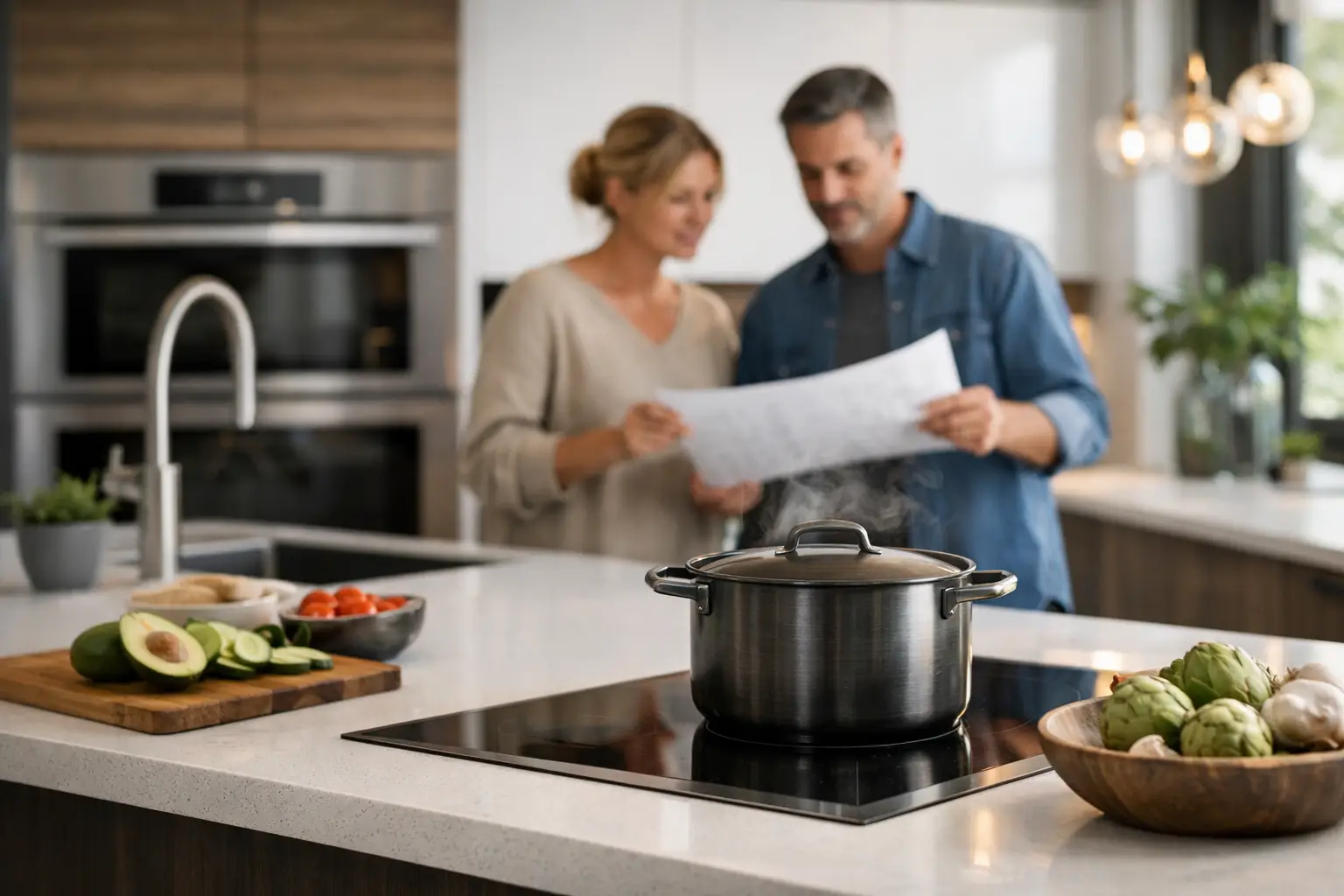
A kitchen that looked current five years ago can start feeling dated much faster once daily use exposes its weak points. That is why kitchen remodeling 2026 is less about chasing flashy trends and more about making better decisions on layout, storage, finish durability, and overall function. Homeowners in North Dallas are asking a practical question: what will still look good, work well, and support resale value a few years from now?
The answer is not one specific cabinet color or appliance package. It is a combination of thoughtful planning, durable materials, and disciplined execution. The best kitchen projects in 2026 are designed to handle real life first, then bring in style choices that feel current without becoming disposable.
Kitchen remodeling 2026 starts with function
The biggest shift in recent years has been away from kitchens built mainly for appearance. Homeowners still want beautiful finishes, but they are also paying close attention to workflow. That means looking at how people move between the refrigerator, sink, cooktop, prep areas, and cleanup zones.
A large island can be a strong feature, but only if there is enough clearance around it. Open shelving can look clean in photos, but many families discover it creates more visual clutter and more dusting than expected. Double ovens may sound appealing, yet they are unnecessary for some households and can take up space that would be better used for pantry storage.
That is where planning matters. A successful remodel starts by identifying what is not working now. Maybe traffic backs up around the island during dinner prep. Maybe small appliances consume every inch of counter space. Maybe the kitchen looks attractive but lacks enough drawer storage for pots, dishes, and food containers. Solving those issues usually adds more long-term value than adding decorative features alone.
The design direction homeowners are choosing
For kitchen remodeling 2026, the design direction is polished but restrained. Clean lines are still popular, but the all-white, high-contrast look is giving way to kitchens with more warmth and texture. Homeowners want spaces that feel refined without feeling cold.
Wood tones are returning in a more balanced way, often mixed with painted cabinetry rather than used everywhere. Warm whites, muted taupes, deep greens, and soft earthy tones are showing up more often than stark grays. These choices tend to age better because they feel grounded rather than tied to one short design cycle.
Countertop selections are following the same logic. Homeowners still want a clean, upscale look, but many are favoring surfaces with subtle movement over dramatic veining that can dominate the room. The goal is a kitchen that feels current now and still looks intentional years later.
Lighting is also becoming more layered. Instead of relying on a single row of pendants, many remodels use a combination of recessed lighting, under-cabinet lighting, and decorative fixtures placed with purpose. This improves both appearance and function. Better lighting makes prep work easier, highlights finish quality, and gives the room more flexibility throughout the day.
Storage is no longer an afterthought
One of the clearest priorities in kitchen remodeling 2026 is storage that actually supports the way a household lives. Standard base cabinets and a pantry closet may not be enough, especially in homes where the kitchen serves as a cooking space, gathering space, and household command center.
Deep drawers are replacing more lower cabinets because they make cookware and dishes easier to access. Appliance garages are becoming more common for homeowners who want cleaner counters without giving up convenience. Vertical dividers for trays and cutting boards, pull-out trash storage, and drawer organizers are gaining attention because they reduce daily frustration.
This is one area where trade-offs matter. Custom storage features can significantly improve the kitchen experience, but they also affect budget. Not every upgrade needs to be included. In many projects, it makes more sense to invest in a few high-use storage improvements rather than overcomplicate every cabinet. A well-organized plan usually beats a long list of features that look good on paper but add little day-to-day benefit.
Durable finishes are driving better decisions
Homeowners are becoming more careful about finish selection, and for good reason. A kitchen is one of the hardest-working rooms in the house. Materials need to hold up to moisture, grease, heat, impact, and constant cleaning.
That is why many 2026 remodels are putting durability ahead of novelty. Cabinet finishes need to resist wear around handles and high-touch areas. Countertops need to perform well under daily use, not just photograph nicely. Flooring needs to handle spills and foot traffic without showing damage too quickly.
This does not mean every material has to be purely utilitarian. It means the best results come from balancing appearance with maintenance expectations. Some homeowners are happy to care for natural materials that develop character over time. Others want lower-maintenance surfaces that stay consistent with less effort. Neither approach is wrong, but the choice should be made upfront based on lifestyle, not impulse.
Smart features that are actually worth it
Technology is still part of the conversation, but kitchen remodeling 2026 is moving past novelty for novelty’s sake. Homeowners are more interested in smart features that simplify routines instead of adding complexity.
Touchless faucets remain practical because they help with cleanup and food prep. Better ventilation systems are getting more attention, especially in kitchens that open into living spaces. Charging drawers and integrated power solutions are useful when planned carefully. Lighting controls can also improve convenience, particularly when layered lighting is part of the design.
By contrast, some high-tech upgrades sound impressive but add little daily value. A feature is only worthwhile if it fits how the household uses the kitchen. If it creates maintenance concerns, shortens the lifespan of a key component, or introduces another point of failure, it deserves a second look.
Budget planning in 2026 requires realism
Material costs, appliance pricing, and labor expectations continue to shape remodeling decisions. For homeowners, that means budgeting with more discipline from the start. The most common mistake is trying to fit a high-end scope into a mid-range budget and hoping it works out later.
A better approach is to set priorities early. If cabinetry quality and layout changes are the most important parts of the project, those items should lead the budget. If the kitchen already has a strong footprint, the investment may be better directed toward finishes, storage upgrades, and lighting. Scope should follow goals, not assumptions.
Contingency planning also matters. Once walls are opened, hidden issues can appear, especially in older homes. Electrical updates, plumbing adjustments, or framing corrections can affect the final number. Transparent estimating and clear scope definition make these situations easier to manage because expectations are already grounded in reality.
Why project management matters as much as design
A kitchen remodel can look great on paper and still become a frustrating experience if the process is poorly managed. For many homeowners, that is the real concern. They are not only hiring for craftsmanship. They are hiring for organization, communication, cleanliness, and follow-through.
A well-run project keeps the schedule visible, the scope clear, and the job site controlled. Decisions are documented. Questions are answered promptly. Change orders are handled directly rather than buried in confusion. Those details reduce stress and protect the quality of the outcome.
This is especially important in occupied homes. Kitchen work affects daily routines more than almost any other renovation. Homeowners need to know what is happening, when trades will be present, and how the project will progress from demolition through final installation. That structure is a major part of the value.
For North Dallas homeowners planning a remodel, the right partner should offer more than design ideas. The process should feel steady from start to finish. That is the standard Yeager Properties is built to deliver, with clear expectations, organized execution, and finish quality that supports long-term use.
What adds value and what dates quickly
Not every popular feature improves resale value or daily function. In kitchen remodeling 2026, the upgrades that tend to hold value are the ones buyers and homeowners notice immediately in use: a better layout, solid cabinetry, dependable lighting, durable surfaces, and useful storage.
Features that date more quickly are often the most aggressively trend-driven ones. That could mean an overly specific color choice, a dramatic backsplash that takes over the room, or decorative elements that are hard to update later. Personal style should absolutely be part of the project, but the most successful kitchens usually balance personality with restraint.
If you are planning a remodel in 2026, the smartest move is to focus on decisions that make the room easier to live in every day. A kitchen should not just look finished. It should feel organized, durable, and thoughtfully built the moment you start using it.